Ever found yourself fumbling for the remote to the lamp, the switch for the fan, and the button on the coffee maker all before your first sip of morning brew? It feels a bit like conducting a clumsy, low-tech orchestra. You bought a smart plug to simplify your life, but now you’re wondering how to level up. Learning how to use a smart plug with multiple devices is the secret to transforming that single point of control into a true smart home symphony.
Picture this: with a single tap on your phone or a simple voice command, your entire entertainment center hums to life. Or, as you leave the house, one word turns off every lamp, charger, and fan in your office nook. This isn’t science fiction; it’s the power of smart automation, and it’s easier to achieve than you might think. In this guide, we’ll break down the methods, from the brilliantly simple to the impressively advanced, so you can stop juggling and start orchestrating.
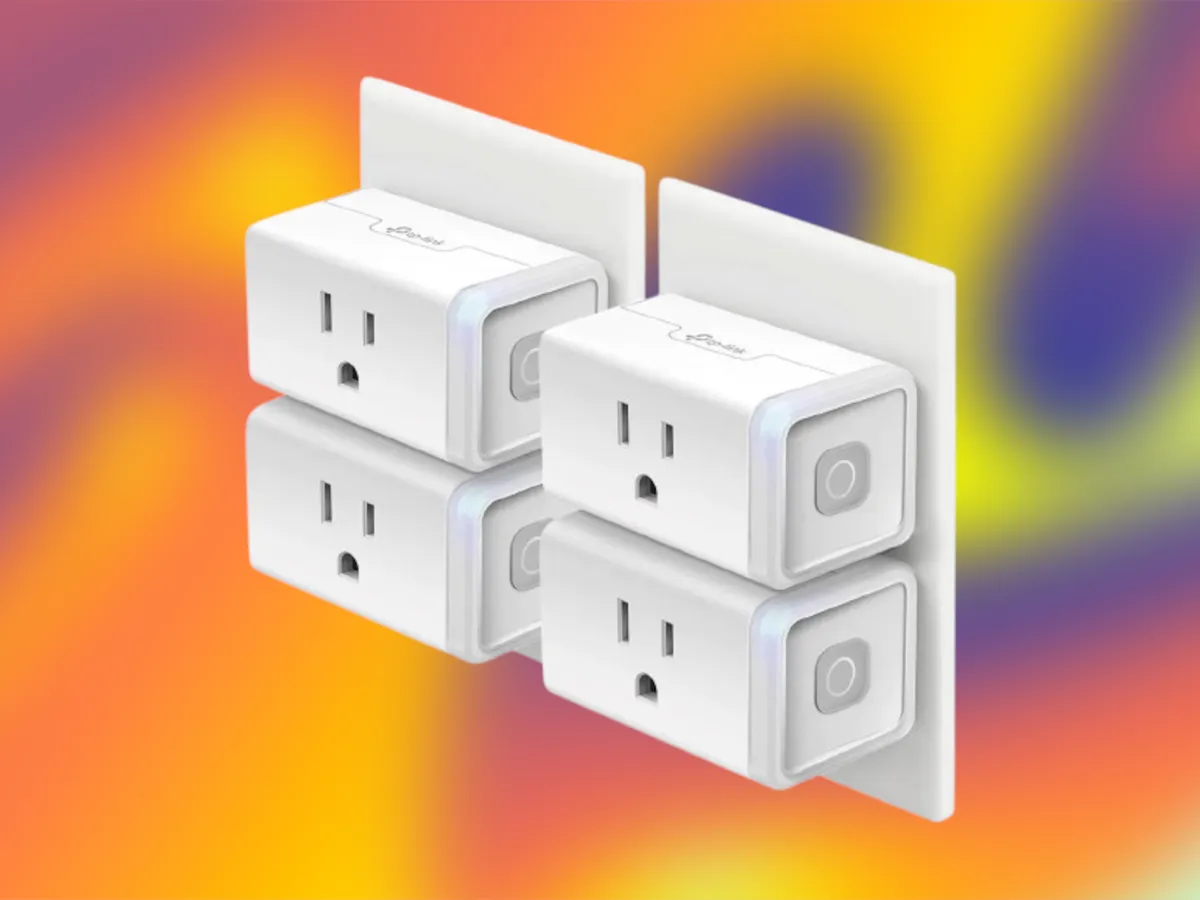
The Two Paths to Multi-Device Control
When you want to control several gadgets with one smart plug, you’re essentially looking at two distinct strategies: a physical solution and a virtual one.
- The Physical Method: Using a standard power strip connected to a single smart plug. It’s a brute-force, yet highly effective, approach.
- The Virtual Method: Using multiple smart plugs and grouping them within a smart home app (like Alexa, Google Home, or Apple HomeKit). This offers more granular control and is the foundation of true home automation.
Let’s unpack both, so you can decide which one—or which combination—is right for you.
Method 1: The Power Strip Trick (Simple & Effective)
This is the most straightforward way to get started. It’s a “one-to-many” physical connection that puts your trusty, non-smart power strip on a leash held by your smart plug.
How Does This Setup Work?
It’s beautifully simple. You plug a regular multi-outlet power strip or extension cord into your smart plug. Then, you plug all the devices you want to control together—like your TV, soundbar, and gaming console—into the power strip. The smart plug now acts as a master switch for everything connected to that strip.
A Step-by-Step Guide to the Power Strip Method
- Safety First: Choose Your Power Strip. Don’t just grab any old power strip. Ensure it’s a high-quality, surge-protected unit. Check its maximum power rating (usually in watts or amps) and make sure it can handle the combined load of the devices you plan to connect.
- Connect the Chain. Plug the power strip directly into your smart plug.
- Plug In Your Devices. Connect the devices you want to control simultaneously to the outlets on the power strip. A great example is an “office bundle”: a desk lamp, a monitor, and a phone charger.
- Take Control. Open your smart plug’s app (or your Alexa/Google Home app). When you turn the smart plug “on” or “off,” you are now controlling the power to the entire strip, and thus, to all the devices plugged into it.
When is the Power Strip Method Ideal?
This method is perfect for clusters of devices that you always use together. Think of it as creating an “activity zone.”
- Your Entertainment Center: Turn your TV, speakers, and streaming device on or off all at once.
- Holiday Decorations: Control all your Christmas lights and animated figures with a single command. No more crawling behind the tree!
- Aquarium or Terrarium Setups: Manage the lights, filters, and heaters on a unified schedule.
- Your Bedside Nook: Turn off your lamp, white noise machine, and charger with a “Goodnight” command.
Expert Take: The key limitation here is the “all-or-nothing” approach. You can’t use this method to turn off the TV while leaving the streaming device on. It’s a blunt instrument, but for the right job, it’s incredibly effective.
Method 2: Virtual Grouping (The Truly Smart Approach)
If you’re looking for more finesse, virtual grouping is your answer. This method involves using multiple smart plugs (one for each device) but controlling them as a single entity through your smart home app. This is the secret behind how to use a smart plug with multiple devices in a flexible, automated way.
How Does Smart Device Grouping Work?
Most smart home ecosystems allow you to create “Groups,” “Rooms,” or “Scenes.” This is a software-level command that tells multiple, independent smart devices to act in unison. For example, you could create a “Living Room Lights” group that contains three separate smart plugs, each connected to a different lamp. When you say, “Alexa, turn on Living Room Lights,” all three lamps switch on simultaneously.
How to Group Devices in Your Favorite Ecosystem
The process is slightly different for each platform, but the core concept is the same.
### For Amazon Alexa Users: Creating a Group
- Open the Alexa app and tap on the “Devices” tab at the bottom.
- Tap the “+” icon in the top right corner.
- Select “Add Group.”
- Choose a common group name like “Bedroom Lights” or “Office Gadgets,” or create a custom name.
- Select the individual smart plugs (and other smart devices) you want to include in this group.
- Tap “Save.” Now you can say, “Alexa, turn off Office Gadgets,” and everything in that group will power down.
### For Google Home Users: Assigning to a Room
Google Home is more centered around the concept of “Rooms.”
- Open the Google Home app.
- Select the smart plug you want to assign to a room.
- Tap the “Settings” cog icon in the top right.
- Tap “Room,” and then choose an existing room or create a new one.
- Repeat this for all the devices you want to control together.
- Once assigned, you can say, “Hey Google, turn on the living room,” and every smart device assigned to that room will turn on. You can also create more specific Routines for custom commands.
### For Apple HomeKit Users: Building a Scene
HomeKit excels with “Scenes,” which are perfect for setting a mood.
- Open the Apple Home app.
- Tap the “+” icon and select “Add Scene.”
- Choose a suggested scene or tap “Custom” to create your own. Give it a name, like “Movie Night.”
- Tap “Add Accessories” and select the smart plugs and other devices you want to control.
- Tap “Done.” Now you can adjust what each device does in that scene (e.g., Lamp A turns on and dims to 30%, Lamp B turns off).
- You can now activate the entire scene by telling Siri, “Hey Siri, set Movie Night.”
The Ultimate Solution: The Smart Power Strip
What if you could combine the convenience of a power strip with the individual control of virtual grouping? You can. It’s called a smart power strip.
A smart power strip looks like a regular one, but each individual outlet (and often the USB ports, too) can be controlled independently within your smart home app. It’s the best of both worlds.
| Feature | Smart Plug + Regular Strip | Smart Power Strip |
|---|---|---|
| Control | All-or-nothing (entire strip) | Individual outlet control |
| Cost | Lower initial cost | Higher initial cost |
| Space | Can be bulky | More streamlined |
| Setup | Simple plug-and-play | One setup for multiple outlets |
| Best For | Device clusters used together | Mixed-use areas (desk, TV) |
[amz id="smartplug"]
A smart power strip is the definitive answer for anyone serious about managing a hub of electronics. You can create a routine where your monitor and desk lamp turn on, but your printer stays off until you specifically ask for it. This granular control is a game-changer for energy savings and convenience.
As smart home expert Dr. Evelyn Reed notes, “We’re moving past simple on/off commands. The future is about orchestration—creating environments that adapt to our needs. Smart power strips and device groups are the building blocks of that personalized future, allowing users to define exactly how their space should function at any given moment.”
A Quick Word on Electrical Safety
It’s crucial to remember that smart plugs are gateways for electricity. Always be mindful of the maximum power load.
- Check the Rating: Your smart plug has a maximum amperage rating (e.g., 10A, 15A).
- Don’t Overload: The total power draw of all devices connected (whether through a power strip or individually) should never exceed the smart plug’s rating.
- Avoid High-Power Appliances: Never plug devices with heating elements or large motors, like space heaters, hair dryers, refrigerators, or treadmills, into a smart plug or a power strip connected to one. This poses a significant fire risk.
Frequently Asked Questions (FAQ)
Q1: Can I control multiple devices independently with just one smart plug?
The short answer is no. A standard smart plug has only one outlet and acts as a single switch. To control devices independently, you either need multiple smart plugs that are grouped virtually in an app, or a smart power strip with individually controllable outlets.
Q2: What is the difference between a “group” and a “routine” in smart home apps?
A “group” is typically a collection of similar devices (e.g., “Downstairs Lights”) that you control with a simple on/off command. A “routine” (or “automation”) is a more complex sequence of actions, often triggered by a custom phrase, time of day, or sensor. For example, a “Good Morning” routine could turn on your smart plugs, read the weather, and start your morning playlist.
Q3: Do I need a smart home hub to control multiple devices?
Not necessarily. Most Wi-Fi-based smart plugs connect directly to your router and can be grouped within the Alexa, Google Home, or manufacturer’s app without a separate hub. Hubs are more common for devices using other protocols like Zigbee or Z-Wave, which can create a more robust and responsive local network.
Q4: How many devices can I safely plug into a power strip connected to a smart plug?
This is about total power load, not the number of devices. Add up the wattage of every device you plan to connect. This total must be well below the maximum wattage rating of both the smart plug and the power strip. It’s always better to be safe and leave plenty of headroom.
Q5: Will my smart plug groups still work if my internet goes down?
It depends. If your commands and schedules are stored in the cloud (which is true for most Wi-Fi plugs), they will not work without an internet connection. Some systems with local hubs (like Hubitat or some HomeKit setups) can continue to run local automations without the internet.
Your Home, Your Rules
You are now equipped with the knowledge of how to use a smart plug with multiple devices. Whether you start with the simple and effective power strip method or jump right into creating intricate scenes with virtual groups, you’re taking a major step toward a more convenient, responsive, and efficient home.
The beauty of a smart home isn’t just about flashy tech; it’s about reclaiming your time and energy. It’s about designing a living space that works for you. So go ahead, start grouping those lamps, taming that entertainment center, and building routines that make your day just a little bit smoother. Your smart home symphony is waiting for its conductor.