Ever had that sinking feeling halfway to the airport? Did I unplug the travel steamer? Is my battery pack still charging, creating a fire hazard in my empty hotel room? A compact smart plug for travel provides peace of mind by allowing remote control of devices, preventing overcharging, enhancing security, and offering convenience for travelers. This guide helps you understand, choose, and master the art of the travel smart plug, transforming any temporary room into your personal smart oasis.
What Exactly Is a Travel Smart Plug and Why Do I Need One?
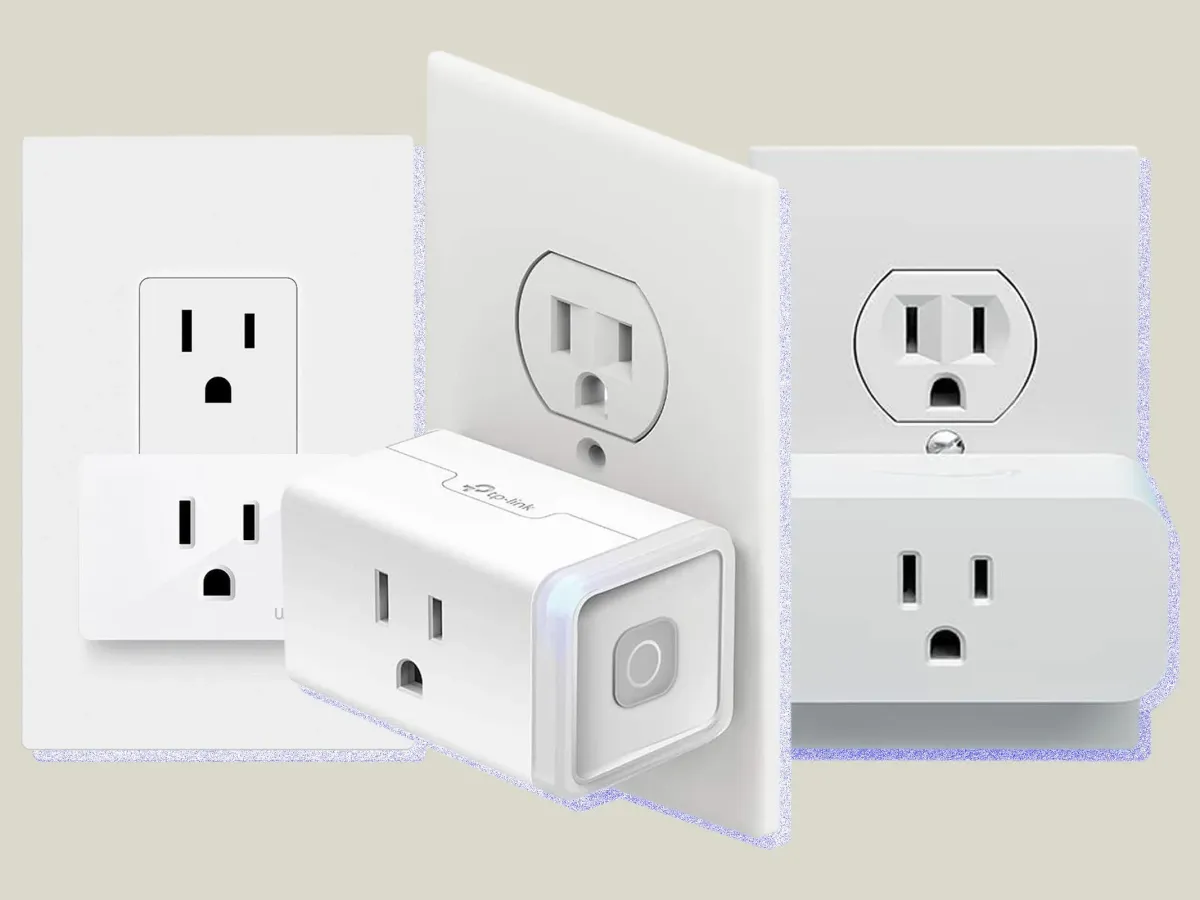
A travel smart plug is a small adapter that fits between your regular wall socket and the plug of your electronic device. At its core, it gives you remote control over that device via a smartphone app. Think of it as a remote control for anything you plug into it. But for the modern traveler, it’s so much more. For browse all smart home articles on this site.
A standard smart plug is designed for home use, but a travel smart plug is built with the road warrior in mind. It’s smaller, more durable, and designed to handle the quirks of different locations. Here’s why it’s a non-negotiable item for your packing list:
- Ultimate Peace of Mind: The number one reason. Left your portable hair straightener on? Just open the app and switch it off from your tour bus. No more vacation days ruined by worry.
- Smarter Charging: Prevent overcharging your power banks, cameras, and phones. You can set a timer to automatically cut power after three hours, preserving your battery’s health in the long run.
- Convenience and Comfort: Schedule a small travel fan or a white noise machine to turn on just before you get back to your room. It’s like having a butler who preps your room for your arrival.
- Enhanced Security: When you’re out exploring, you can set a lamp plugged into your smart plug to turn on and off randomly. This “vacation mode” creates the illusion that someone is in the room, deterring potential intruders in your Airbnb or rental.
Key Features Before You Buy a Compact Smart Plug for Travel
Not all smart plugs are created equal, especially when they’re destined for your suitcase. Making the right choice means looking beyond the price tag. Here are the critical factors to consider.
Size and Portability: The “Compact” Factor
This is non-negotiable. You’re looking for something that won’t hog space in your carry-on or block adjacent outlets in a cramped hotel room.
- Form Factor: Look for plugs with a slim, rectangular, or circular design. Avoid bulky, square models.
- Weight: It should be lightweight, ideally just a few ounces. Every ounce counts when you’re trying to avoid baggage fees.
- No Blocking: The best designs are “offset,” meaning the bulk of the plug doesn’t hang directly below the socket, leaving the second outlet free.
International Voltage and Plug Type Compatibility
|
Our Picks for the Best Smart Plug in 2026
As an Amazon Associate, we earn from qualifying purchases.
|
||
| Num | Product | Action |
|---|---|---|
| 1 | Amazon Basics Smart Plug, Works with Alexa Only, 2.4 GHz Wi-Fi, No Hub Required, 4-Pack, White |

|
| 2 | Amazon Basics Smart Plug, Works with Alexa Only, 2.4 GHz Wi-Fi, No Hub Required, 2 Pack, White |
|
| 3 | Kasa Smart Plug Mini 15A, Apple HomeKit Supported, Smart Outlet Works with Siri, Alexa & Google Home, UL Certified, App Control, Scheduling, Timer, 2.4G WiFi Only, 4 Count (Pack of 1) (EP25P4), White |
|
| 4 | Govee Smart Plug, WiFi Plugs Work with Alexa & Google Assistant, Smart Outlet with Timer & Group Controller, WiFi Outlet for Home, No Hub Required, ETL & FCC Certified, 2.4G WiFi Only, 4 Pack |
|
| 5 | Kasa Smart Plug HS103P2, Smart Home Wi-Fi Outlet Works with Alexa, Echo, Google Home & IFTTT, No Hub Required, Remote Control,15 Amp,UL Certified, (Pack of 2) White |
|
| 6 | Kasa Smart Plug Ultra Mini 15A, Smart Home Wi-Fi Outlet Works with Alexa, Google Home & IFTTT, No Hub Required, UL Certified, 2.4G WiFi Only, 2 Count (Pack of 1)(EP10P2) , White |
|
| 7 | Kasa Smart Plug Mini 15A, Smart Home Wi-Fi Outlet Works with Alexa, Google Home & IFTTT, No Hub Required, UL Certified, 2.4G WiFi Only, 4-Pack(EP10P4) , White |
|
| 8 | TP-Link Tapo Matter Supported Smart Plug Mini, Compact Design, 15A/1800W Max, Super Easy Setup, Works with Apple Home, Alexa & Google Home, UL Certified, 2.4G Wi-Fi Only, White, Tapo P125M(3-Pack) |
|
| 9 | Kasa Smart Plug HS103P4, Smart Home Wi-Fi Outlet Works with Alexa, Echo, Google Home & IFTTT, No Hub Required, Remote Control, 15 Amp, UL Certified, 4-Pack, White |
|
| 10 | Govee Smart Plug, WiFi Plugs Work with Alexa & Google Assistant, Smart Outlet with Timer & Group Controller, WiFi Outlet for Home, No Hub Required, ETL & FCC Certified, 2.4G WiFi Only, 2 Pack |
|
This is arguably the most important technical specification for a travel plug. Getting this wrong can lead to a fried device or, worse, a useless piece of plastic.
- Voltage Support: Ensure the plug supports a wide voltage range, typically 100-240V. The US uses ~120V, while Europe and many other parts of the world use ~220-240V. A plug that can handle both is essential for international travel.
- Plug Type: The world has over a dozen different plug types. A smart plug will have a specific prong type (e.g., Type B for North America). You will almost certainly need a separate universal travel adapter to plug your smart plug into the wall in a foreign country. The key is to ensure your smart plug itself can handle the electrical current of that country.
Expert Tip: Don’t confuse a travel adapter with a voltage converter. An adapter simply changes the shape of the prongs. A converter changes the electrical voltage. Most modern electronics (laptops, phone chargers) are dual-voltage, but always check the label on your device!
Connectivity: How It Talks to Your Phone
Your smart plug is only as smart as its connection. For travel, your options are primarily Wi-Fi based.
- Wi-Fi (2.4GHz): Nearly all smart plugs connect via a 2.4GHz Wi-Fi network. This is perfect for hotels and Airbnbs. Be aware that some hotels use “captive portal” logins (where a web page pops up to enter a password or room number), which can sometimes be tricky for smart devices. A pro-move is to use a travel router to create your own personal Wi-Fi network.
- Bluetooth: Some newer, ultra-portable plugs use Bluetooth. This is great for short-range control when you’re in the room but won’t allow you to control devices when you’re out and about.
- Offline Control: A rare but fantastic feature. Some plugs allow you to set schedules that will run even if the Wi-Fi drops out. For a traveler, this is a huge plus.
App and Ecosystem Integration
The app is your command center. It should be intuitive, stable, and easy to use. Also, consider its compatibility with your existing smart home ecosystem.
- Dedicated App: Check reviews for the plug’s native app (e.g., Kasa, Gosund, Meross). Is it reliable? Does it get updated frequently?
- Voice Assistant Support: If you use a voice assistant at home, you’ll want a plug that works with Amazon Alexa, Google Assistant, or Apple HomeKit. While you might not bring a smart speaker with you, you can still use the voice assistant on your phone to control the plug.
How to Set Up and Use Your Smart Plug on the Go
So you’ve decided to buy a compact smart plug for travel. Great choice! Getting it set up in a new location is a breeze if you follow these steps.
- Initial Setup at Home: Before you even pack, set up the smart plug at home. Connect it to your Wi-Fi, download the app, name the device (e.g., “Travel Plug”), and test it. This ensures the device works and you’re familiar with the app before you’re dealing with spotty hotel internet.
- Pack Your Kit: Remember your smart plug and a universal travel adapter that’s compatible with your destination.
- Connect in Your Room: Once you’ve checked in, plug the universal adapter into the wall, then plug your smart plug into the adapter. A light on the plug should indicate it has power.
- Connect to Wi-Fi: Open the smart plug’s app on your phone. You’ll need to go through the setup process to connect it to the hotel or Airbnb’s Wi-Fi network. You’ll select the network name and enter the password, just like you did for your phone.
- Test and Automate: Plug a lamp or your phone charger into the smart plug. Use the app to turn it on and off. Once you confirm it’s working, start setting up your schedules and timers!
As smart home analyst Dr. Evelyn Reed notes:
“The next frontier for IoT isn’t just the home; it’s the home-on-the-go. Portable, secure smart devices like compact plugs are becoming essential travel companions, bridging the gap between the convenience we expect at home and the unpredictability of the road.”
A Checklist for Your Purchase
To make things even easier, here’s a quick checklist to run through when you’re ready to make a purchase.
| Feature | What to Look For | Why It Matters |
|---|---|---|
| Size & Shape | Slim, lightweight, and designed not to block other outlets. | Saves precious luggage space and ensures usability. |
| Voltage Compatibility | Labeled for 100-240V, 50/60Hz. | Prevents damage to the plug and your devices when abroad. |
| Wi-Fi Standard | Connects to 2.4GHz Wi-Fi networks. | The most common standard available in hotels and rentals. |
| App Usability | An intuitive, stable app with good reviews on the App Store or Google Play. | A bad app makes for a dumb smart plug. |
| Ecosystem Support | Works with Alexa, Google Assistant, or Apple HomeKit. | Integrates seamlessly with the smart assistants you already use. |
| Safety Certifications | Look for certifications like UL, ETL, or CE. | Ensures the product has been tested for electrical safety. |
| Max Power Rating | Check the maximum amperage (e.g., 10A, 15A). | Ensures it can handle your devices. Don’t use it for high-power appliances unless it’s rated for them. |
Frequently Asked Questions
What’s the best compact smart plug for international travel?
The “best” one depends on your needs, but you should prioritize a model that is explicitly rated for 100-240V and has a slim design. Brands like Kasa, Meross, and TP-Link often have models that are well-regarded for their reliability and compact form factor.
Can I use a smart plug in a country with a different plug type?
Yes, you can. You will need a simple, non-smart travel adapter. You plug the travel adapter into the foreign wall socket, and then you plug your North American (or other) style smart plug into the adapter. Just ensure your smart plug supports the local voltage.
Will my smart plug work with any hotel Wi-Fi?
Mostly, yes. However, networks that require you to log in through a special web page (a captive portal) can be problematic. If you travel frequently, investing in a portable travel router is the best solution. It creates a personal Wi-Fi network that all your devices, including your smart plug, can easily connect to.
Do I need a smart home hub like a Philips Hue Bridge?
No. The vast majority of compact smart plugs are hub-free and connect directly to Wi-Fi. This is ideal for travel as it means one less piece of equipment to pack.
Are travel smart plugs safe to use?
Yes, as long as you buy from a reputable brand and check for safety certifications like UL or ETL. Never use a plug for a device that draws more power than the plug is rated for (e.g., a high-powered space heater).
Your Journey to Smarter Travel Starts Now
Making the decision to buy a compact smart plug for travel is a small step that yields a huge return in convenience and peace of mind. It’s about more than just turning things on and off remotely; it’s about taking the control and comfort of your smart home with you, wherever you go. You can finally stop worrying about whether you left something on and start focusing on what truly matters: enjoying your trip. So, before your next adventure, add this tiny but mighty gadget to your packing list. Your future, less-stressed self will thank you for it.
Frequently Asked Questions
What is the best compact smart plug for international travel?
The best compact smart plug for international travel is one rated for 100-240V with a slim design. Brands like Kasa, Meross, and TP-Link are often recommended for their reliability and compact form factor, ensuring compatibility across different regions.
Can a smart plug be used in a country with a different plug type?
Yes, a smart plug can be used in a country with a different plug type by using a simple, non-smart travel adapter. The travel adapter plugs into the foreign wall socket, and your smart plug then plugs into the adapter. Always ensure your smart plug supports the local voltage.
Will a smart plug connect to any hotel Wi-Fi network?
Most smart plugs will connect to hotel Wi-Fi, but networks requiring a captive portal login (a special web page) can be problematic. For frequent travelers, a portable travel router is an excellent solution, creating a personal Wi-Fi network for all devices, including smart plugs.
Is a smart home hub necessary to use a travel smart plug?
No, a smart home hub like a Philips Hue Bridge is not necessary for most compact smart plugs. The vast majority of these devices are hub-free and connect directly to 2.4GHz Wi-Fi networks, making them ideal for travel as they require less equipment.
Are compact travel smart plugs safe to operate?
Yes, compact travel smart plugs are safe to operate when purchased from reputable brands and when they carry safety certifications such as UL or ETL. It is crucial never to use a smart plug for devices that draw more power than the plug's maximum rated amperage, typically 10A or 15A.
Smart home that does not lock you in
Free PDF — protocol compatibility matrix for 30 hubs and devices.
This little gadget is perfect for transforming any temporary room into a smart oasis. I love being able to schedule my travel coffee maker to turn on before I even get out of bed in the morning. It’s small enough not to take up much space in my luggage, which is a huge plus for frequent travelers.
The idea of preventing overcharging for my battery pack is great, and it mostly works. However, I found the Wi-Fi connection a bit spotty in one of the hotels I stayed at, which made remote control unreliable. It’s still useful for basic on/off, but the smart features sometimes struggled with weaker hotel networks.
I bought this specifically for the security enhancement feature. Being able to remotely turn on a lamp in my hotel room when I’m out late makes it seem like someone’s there, which is a nice deterrent. It’s a small investment for a lot of added security and convenience on the road.
I used to always worry about leaving my hair straightener on when I traveled. This compact smart plug has been a game-changer for peace of mind! Being able to remotely check and turn off devices from my phone, even after I’ve left the hotel, is incredibly convenient. It’s super easy to set up and the app is very user-friendly.