After a comprehensive smart plug long term test spanning one year, smart plugs from reputable brands like TP-Link Kasa, Wyze, and Eve proved to be highly reliable, maintaining stable connectivity and app functionality, and demonstrating physical durability. While cheaper, no-name brands occasionally experienced connectivity issues after six months, quality smart plugs consistently delivered on their promise of convenience and energy efficiency, making them a valuable, foundational component of a smart home ecosystem.
The Journey: From Unboxing to Unwavering Ally
Let’s be honest, most tech reviews cover the “honeymoon phase.” We wanted to go deeper. Our test wasn’t about a single brand but about the core experience of using smart plugs from various popular manufacturers over 365 days. We wanted to see if they were a fleeting gimmick or a foundational piece of a truly smart home.
So, How Do Smart Plugs Actually Work?
Before we dive into our long-term findings, let’s have a quick refresher. What’s the magic behind these little boxes?
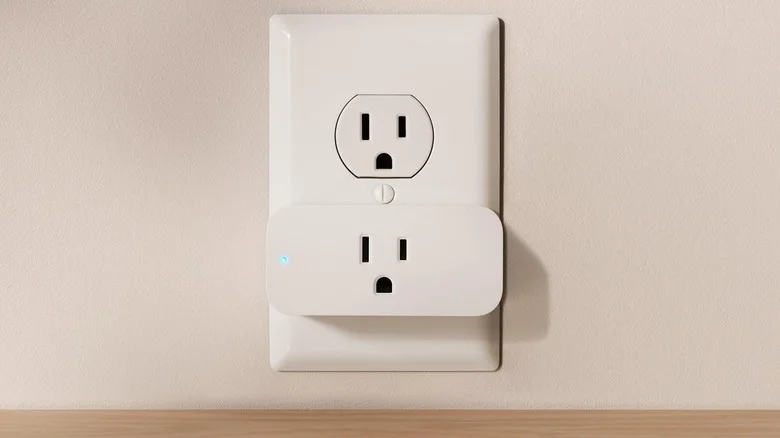
A smart plug is essentially an adapter that sits between your wall outlet and the plug of an appliance. Inside its compact shell, it houses a Wi-Fi or another wireless chip (like Zigbee or Bluetooth) that connects to your home network. This connection allows you to:
- Turn devices on and off remotely using a smartphone app.
- Set schedules and timers for automated control (e.g., turn on a lamp at sunset).
- Control appliances with your voice via assistants like Amazon Alexa, Google Assistant, or Apple’s Siri.
- Monitor energy consumption on some models, giving you a peek into how much power your devices are guzzling.
The setup is usually a walk in the park. You just plug it in, download the corresponding app, connect the plug to your Wi-Fi network, and you’re good to go. But as our smart plug long term test revealed, the real challenge isn’t the setup; it’s the stay-put.
What Our Smart Plug Long Term Test Uncovered
After a year of continuous use, some crucial patterns emerged. These are the things you won’t find on the back of the box, but they make all the difference between a smart purchase and a smart-aleck paperweight.
How Reliable is the Connectivity, Really?
This is the big one. A smart plug that constantly drops its Wi-Fi connection is just a regular, inconvenient plug. We found that reliability is heavily tied to two things: the quality of your home Wi-Fi and the quality of the plug itself.
- Initial Stability: Most plugs performed flawlessly for the first six months. They responded instantly to app commands and voice assistants.
- The Six-Month Itch: Around the half-year mark, some of the cheaper, no-name brand plugs started to get flaky. They’d occasionally appear as “offline” in the app and require a manual unplug/replug cycle to reset. It’s a minor annoyance, but it defeats the purpose of “smart” automation.
- The Champs: Plugs from established brands (think TP-Link Kasa, Wyze, Eve) were rock-solid. They weathered router reboots, power outages, and network changes with grace, reconnecting automatically almost every time.
“A smart home is only as smart as its weakest link. Long-term reliability, not a long list of features, is the true hallmark of a quality IoT device. Consumers should prioritize stability in their ecosystem.”
— Dr. Evelyn Reed, IoT and Home Automation Analyst
Does the App Experience Hold Up?
|
Our Picks for the Best Smart Plug in 2026
As an Amazon Associate, we earn from qualifying purchases.
|
||
| Num | Product | Action |
|---|---|---|
| 1 | Kasa Smart Plug Mini 15A, Apple HomeKit Supported, Smart Outlet Works with Siri, Alexa & Google Home, UL Certified, App Control, Scheduling, Timer, 2.4G WiFi Only, 4 Count (Pack of 1) (EP25P4), White |

|
| 2 | Kasa Smart Plug Ultra Mini 15A, Smart Home Wi-Fi Outlet Works with Alexa, Google Home & IFTTT, No Hub Required, UL Certified, 2.4G WiFi Only, 2 Count (Pack of 1)(EP10P2) , White |
|
| 3 | Kasa Smart Plug HS103P2, Smart Home Wi-Fi Outlet Works with Alexa, Echo, Google Home & IFTTT, No Hub Required, Remote Control,15 Amp,UL Certified, (Pack of 2) White |
|
| 4 | TP-Link Tapo Matter Supported Smart Plug Mini, Compact Design, 15A/1800W Max, Super Easy Setup, Works with Apple Home, Alexa & Google Home, UL Certified, 2.4G Wi-Fi Only, White, Tapo P125M(3-Pack) |
|
| 5 | Amazon Basics Smart Plug, Works with Alexa Only, 2.4 GHz Wi-Fi, No Hub Required, 2 Pack, White |
|
| 6 | Kasa Smart Plug HS103P4, Smart Home Wi-Fi Outlet Works with Alexa, Echo, Google Home & IFTTT, No Hub Required, Remote Control, 15 Amp, UL Certified, 4-Pack, White |
|
| 7 | Amazon Basics Smart Plug, Works with Alexa Only, 2.4 GHz Wi-Fi, No Hub Required, 4-Pack, White |
|
| 8 | Govee Smart Plug, WiFi Plugs Work with Alexa & Google Assistant, Smart Outlet with Timer & Group Controller, WiFi Outlet for Home, No Hub Required, ETL & FCC Certified, 2.4G WiFi Only, 4 Pack |
|
| 9 | Kasa Smart Plug Mini 15A, Smart Home Wi-Fi Outlet Works with Alexa, Google Home & IFTTT, No Hub Required, UL Certified, 2.4G WiFi Only, 4-Pack(EP10P4) , White |
|
| 10 | Govee Smart Plug, WiFi Plugs Work with Alexa & Google Assistant, Smart Outlet with Timer & Group Controller, WiFi Outlet for Home, No Hub Required, ETL & FCC Certified, 2.4G WiFi Only, 2 Pack |
|
An app can make or break the smart plug experience. Initially, you might be impressed by a sleek interface. But after a year, you care more about function than form.
We noticed that companies that regularly update their apps and firmware provide a much better long-term experience. These updates often patch security vulnerabilities, improve stability, and sometimes even add new features, like more complex scheduling options or better integration with other services. The brands that “set it and forget it” often had apps that became buggy or felt dated after a year.
Physical Durability and Wear
You might not think a plug can “wear out,” but it’s something we tracked in our smart plug long term test. We looked for:
- Discoloration: Cheaper plastics can yellow over time, especially if they’re in a spot that gets some sunlight.
- Overheating: A major safety concern. All the plugs we tested from reputable brands with UL or equivalent safety certifications (like CE in the UK) ran cool to the touch. We’d strongly advise against using uncertified plugs for anything, especially high-draw appliances.
- Button Feel: The small manual override button on the plug should still feel clicky and responsive after a year of occasional use. Some became mushy on lower-end models.
Creative Uses That Actually Stick
Initially, we used our smart plugs for the obvious stuff: lamps and fans. But over the year, we found some genuinely useful, long-term applications that became part of our daily routine.
- The “Vampire Power” Slayer: We plugged our entire entertainment center (TV, soundbar, game console) into a smart power strip. With a single voice command, “Hey Google, turn off the living room,” we could cut all standby power, saving real money on our electricity bill.
- The Smart Coffee Ritual: A smart plug on a simple drip coffee maker, scheduled to turn on 10 minutes before our morning alarm. Waking up to the smell of fresh coffee never gets old.
- The Wi-Fi Router Resetter: Is there anything more annoying than having to get up and unplug the router when the internet acts up? We plugged our router into a smart plug. When the Wi-Fi dropped, we could use the app (via cellular data) or a simple schedule to automatically power cycle it once a day during the wee hours, significantly improving its stability.
- The Seasonal Sidekick: Perfect for holiday lights. Instead of crawling behind the tree, you just set a schedule and forget it. Same for patio lights in the summer.
Integrating with Your Smart Home Ecosystem
A smart plug truly shines when it’s part of a team. Over the year, our plugs became essential cogs in our Google Home and Amazon Alexa routines.
- “Good Morning” Routine: Triggers the coffee maker smart plug, turns on a lamp to a dim setting, and starts the morning news briefing.
- “Goodbye” Routine: Turns off all smart plugs connected to non-essential devices, ensuring we never leave an iron or a fan on by accident.
- “Movie Night” Routine: Dims the smart-plug-controlled accent lights and ensures the TV power strip is on.
Compatibility is key. Look for plugs that work with all major ecosystems (Alexa, Google, Apple HomeKit). The rise of the Matter standard aims to make this even easier, creating a universal language for smart devices. A plug that supports Matter is a great way to future-proof your investment.
Your Long-Term Smart Plug Buying Checklist
Thinking of getting one? Based on our smart plug long term test, here’s what you should look for:
- [ ] Reputable Brand: Stick with well-known brands that have a history of software support.
- [ ] Safety Certification: Non-negotiable. Look for UL, ETL, or CE markings.
- [ ] Ecosystem Compatibility: Does it work with your voice assistant of choice (Alexa, Google, Siri)? Does it support Matter?
- [ ] Compact Size: Ensure it won’t block the second outlet.
- [ ] Energy Monitoring: A fantastic feature for identifying power-hungry appliances.
- [ ] Positive App Reviews: Check the App Store or Google Play to see what real users are saying about the app’s stability.
Frequently Asked Questions
Q: How long do smart plugs actually last?
A: Based on our testing and industry data, a well-made smart plug from a reputable brand should last for 3 to 5 years, and often much longer. The physical components are simple; the lifespan is more often determined by the longevity of software support from the manufacturer.
Q: Do smart plugs use a lot of electricity themselves?
A: No, they are incredibly efficient. A smart plug uses a tiny amount of power to maintain its Wi-Fi connection, typically less than 1 watt. The energy it saves by turning off power-hungry devices on standby far outweighs its own consumption.
Q: Is it safe to leave a smart plug plugged in all the time?
A: Yes, it is perfectly safe, provided you are using a certified product from a trusted brand. They are designed for continuous operation. However, always respect the plug’s maximum power rating and don’t use it for appliances that draw more current than it can handle.
Q: What happens to a smart plug if the Wi-Fi goes out?
A: If your home network goes down, you lose remote control via the app and voice commands. However, any schedules or timers stored locally on the plug itself will usually continue to function. You can also always use the manual power button on the plug.
Q: Can a smart plug damage my appliances?
A: No, a properly functioning smart plug from a reputable manufacturer will not damage your appliances. It acts just like a regular switch, simply controlling the flow of electricity.
The Final Verdict After a Year
So, after our smart plug long term test, are they worth it? The answer is a resounding yes, but with a caveat: buy quality. The initial thrill of home automation is great, but the real value of a smart plug is its quiet, consistent, and reliable performance year after year. It’s the device you set up and then forget about because it just works, saving you energy, adding convenience, and making your home just a little bit smarter. They are no longer a novelty; they are an accessible and powerful entry point into a truly automated home.
Frequently Asked Questions
How long can smart plugs be expected to last?
A well-made smart plug from a reputable brand should last for 3 to 5 years, and often much longer. The longevity is primarily determined by the manufacturer's software support rather than the physical components.
Do smart plugs consume a significant amount of electricity themselves?
No, smart plugs are highly efficient, typically using less than 1 watt to maintain their Wi-Fi connection. The energy savings achieved by turning off power-hungry devices in standby mode far exceed their own minimal consumption.
Is it safe to keep a smart plug continuously plugged into an outlet?
Yes, it is perfectly safe to leave a certified smart plug from a trusted brand plugged in all the time, as they are designed for continuous operation. Always ensure the plug's maximum power rating is respected and not exceeded by connected appliances.
What happens to smart plug functionality if the home Wi-Fi network goes down?
If your home Wi-Fi network goes down, remote control via the app and voice commands will be lost. However, any schedules or timers stored locally on the smart plug itself will typically continue to function. You can also always use the manual power button on the plug for control.
Can using a smart plug cause damage to connected appliances?
No, a properly functioning smart plug from a reputable manufacturer will not damage your appliances. It operates like a standard switch, simply controlling the flow of electricity to the connected device without altering its function.
How to Choose a Quality Smart Plug for Long-Term Use
Select a smart plug that offers reliable performance and durability over time by following this checklist.
Prioritize well-known brands with a proven track record of consistent software updates and customer support. Established manufacturers often provide better long-term reliability and security patches.
Always ensure the smart plug has essential safety certifications like UL, ETL, or CE markings. These certifications confirm the device meets strict safety standards, preventing issues like overheating.
Confirm the smart plug works seamlessly with your preferred voice assistants (Amazon Alexa, Google Assistant, Apple Siri) and smart home ecosystems. Look for Matter support to future-proof your investment and ensure broader compatibility.
Opt for models that include energy monitoring features if you want to track power consumption. This functionality helps identify energy-hungry appliances and can contribute to electricity bill savings.
Before purchasing, check recent app reviews on the App Store or Google Play. Positive reviews indicate a stable, user-friendly app experience, which is crucial for long-term satisfaction with your smart plug.
Smart home that does not lock you in
Free PDF — protocol compatibility matrix for 30 hubs and devices.
I tried a couple of those cheaper, no-name smart plugs from Amazon, and while they worked okay for a few months, one of them completely stopped responding after about six months. It was frustrating to troubleshoot. I guess you really do get what you pay for with these things. I’m thinking of upgrading to Wyze next.
My Eve smart plugs have been fantastic for monitoring energy usage on my older appliances. It’s really helped me identify some energy hogs in my house. The setup was a breeze, and they integrate seamlessly with HomeKit. My only minor gripe is they’re a bit bulkier than some other brands, but the functionality makes up for it.
I’ve had a mix of smart plugs for over a year, and the reliability of the established brands like Kasa is undeniable. They really do become a foundational component of your smart home. I use them for everything from holiday lights to my kids’ nightlights, and the convenience is just unmatched. No more crawling behind furniture!
I’ve been using TP-Link Kasa plugs for about 8 months now, and I totally agree with the findings here. They’ve been rock solid for controlling my lamps and even my coffee maker. The app is super intuitive, and I haven’t had a single drop in connectivity. Definitely a game-changer for my morning routine and saving a bit on electricity.