Let’s be honest, that damp feeling in the basement or the musty smell in a poorly ventilated room is a real mood killer. Your trusty dehumidifier is the unsung hero, chugging away to keep things fresh and dry. But have you ever wondered if it’s running too much, silently hiking up your electricity bill? This is where a Smart Plug For Dehumidifiers comes in, turning your standard appliance into a modern, efficient, and automated powerhouse.
Forget just plugging it in and hoping for the best. We’re about to dive deep into how this simple, affordable gadget can give you unprecedented control, save you money, and make your life a whole lot easier. By the end of this guide, you’ll know exactly how to choose, set up, and optimize a smart plug for your specific needs.
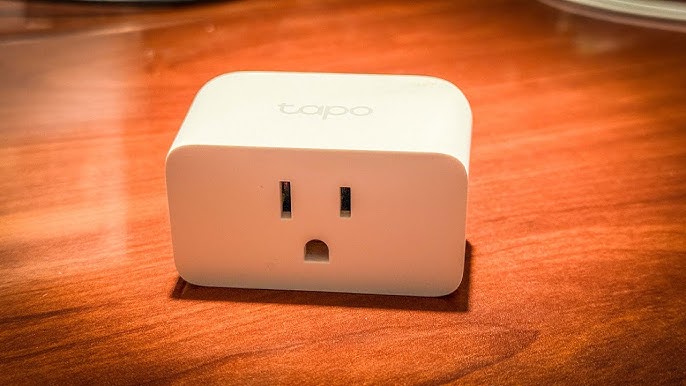
Why Bother with a Smart Plug for Your Dehumidifier?
You might be thinking, “It’s just an on/off switch, right?” Well, yes and no. It’s the intelligence behind that switch that makes all the difference. Using a smart plug unlocks a suite of benefits you probably never associated with your dehumidifier.
- Serious Energy Savings: Dehumidifiers can be energy hogs. Letting one run 24/7 is like leaving a light on in an empty room—a total waste. A smart plug lets you create precise schedules, so it only runs when needed, like during specific hours of the day or after a shower.
- Convenient Remote Control: Away for the weekend and realized you left the dehumidifier running? Or maybe you’re cozy on the couch and don’t want to trek down to the basement. With a smart plug, you can turn your dehumidifier on or off from anywhere using your smartphone.
- Intelligent Automation: This is where the magic happens. You can link your smart plug to other smart devices. Imagine your dehumidifier automatically turning on when a separate smart sensor detects that the humidity level has risen above 55%. That’s true set-it-and-forget-it automation.
- Energy Monitoring: Many smart plugs come with built-in energy monitoring. This feature gives you real-time data on how much electricity your dehumidifier is consuming. It’s a fantastic tool for identifying energy vampires and understanding exactly how much your new schedule is saving you.
“We’re moving past the era of the ‘smart home’ as a novelty. Today, it’s about practical, granular control over individual appliances. A smart plug is the simplest entry point into a more efficient, responsive, and cost-effective home environment.” – Dr. Alistair Finch, Smart Home Integration Specialist.
The Big Question: Is It Safe to Use a Smart Plug with a Dehumidifier?
This is the most critical question, and the answer is a resounding yes, but with two very important conditions. Ignoring these can be ineffective at best and a safety hazard at worst. Before you buy anything, you need to check two things about your dehumidifier.
Check the Wattage and Amperage – It’s Non-Negotiable
A dehumidifier is a high-power appliance. It has a compressor, a fan, and other components that draw a significant amount of electricity, especially when the compressor kicks in. You must ensure your smart plug can handle this load.
- What to Look For: Most standard smart plugs in the US are rated for 15 amps (A) and 1800 watts (W).
- How to Check Your Dehumidifier: Look for a sticker or plate on the back or bottom of your unit. It will list the technical specifications. You’re looking for the wattage or amperage. As long as your dehumidifier’s power draw is below the maximum rating of the smart plug, you’re good to go.
- Why It Matters: Overloading a smart plug can cause it to overheat, short-circuit, or even become a fire hazard. Never use a light-duty smart plug designed for a lamp with a heavy-duty appliance like a dehumidifier.
Mechanical vs. Electronic Controls: The Deal Breaker
This is the point that trips most people up. A smart plug essentially cuts and restores power to the device plugged into it. For this to work, the appliance must be able to resume its function automatically when power is restored.
- Mechanical Controls (✅ It Works!): These are the old-school physical knobs and switches. If your dehumidifier has a dial you turn or a physical switch that stays in the “on” position, it will work perfectly. When the smart plug turns on, power flows, and the dehumidifier will start running just as you left it.
- Electronic Controls (❌ It Probably Won’t Work): These are the dehumidifiers with soft-touch buttons, digital displays, and memory functions. When you cut power to these units and then restore it, they typically go into a standby mode. You still have to press the “on” button again to get it started. A smart plug can’t press that button for you, making it completely useless for this type of dehumidifier.
So, before you click “buy,” go look at your dehumidifier. Does it have a trusty old knob? You’re in business. Does it have a sleek digital panel? A smart plug probably isn’t the right solution for you.
|
Our Picks for the Best Smart Plug in 2026
As an Amazon Associate, we earn from qualifying purchases.
|
||
| Num | Product | Action |
|---|---|---|
| 1 | Amazon Basics Smart Plug, Works with Alexa Only, 2.4 GHz Wi-Fi, No Hub Required, 4-Pack, White |

|
| 2 | Kasa Smart Plug HS103P4, Smart Home Wi-Fi Outlet Works with Alexa, Echo, Google Home & IFTTT, No Hub Required, Remote Control, 15 Amp, UL Certified, 4-Pack, White |
|
| 3 | Amazon Basics Smart Plug, Works with Alexa Only, 2.4 GHz Wi-Fi, No Hub Required, 2 Pack, White |
|
| 4 | Kasa Smart Plug HS103P2, Smart Home Wi-Fi Outlet Works with Alexa, Echo, Google Home & IFTTT, No Hub Required, Remote Control,15 Amp,UL Certified, (Pack of 2) White |
|
| 5 | Govee Smart Plug, WiFi Plugs Work with Alexa & Google Assistant, Smart Outlet with Timer & Group Controller, WiFi Outlet for Home, No Hub Required, ETL & FCC Certified, 2.4G WiFi Only, 4 Pack |
|
| 6 | Kasa Smart Plug Ultra Mini 15A, Smart Home Wi-Fi Outlet Works with Alexa, Google Home & IFTTT, No Hub Required, UL Certified, 2.4G WiFi Only, 2 Count (Pack of 1)(EP10P2) , White |
|
| 7 | Kasa Smart Plug Mini 15A, Apple HomeKit Supported, Smart Outlet Works with Siri, Alexa & Google Home, UL Certified, App Control, Scheduling, Timer, 2.4G WiFi Only, 4 Count (Pack of 1) (EP25P4), White |
|
| 8 | TP-Link Tapo Matter Supported Smart Plug Mini, Compact Design, 15A/1800W Max, Super Easy Setup, Works with Apple Home, Alexa & Google Home, UL Certified, 2.4G Wi-Fi Only, White, Tapo P125M(3-Pack) |
|
| 9 | Govee Smart Plug, WiFi Plugs Work with Alexa & Google Assistant, Smart Outlet with Timer & Group Controller, WiFi Outlet for Home, No Hub Required, ETL & FCC Certified, 2.4G WiFi Only, 2 Pack |
|
| 10 | Kasa Smart Plug Mini 15A, Smart Home Wi-Fi Outlet Works with Alexa, Google Home & IFTTT, No Hub Required, UL Certified, 2.4G WiFi Only, 4-Pack(EP10P4) , White |
|
How to Set Up Your Smart Plug for a Dehumidifier: A Step-by-Step Guide
Once you’ve confirmed your dehumidifier is compatible, the setup process is refreshingly simple. It usually takes less than five minutes.
- Unbox and Plug In: Take the smart plug out of the box and plug it into the wall outlet where you plan to use your dehumidifier. A light on the plug will usually start blinking, indicating it’s in pairing mode.
- Download the App: Scan the QR code in the manual or search for the manufacturer’s app (e.g., Kasa Smart, TP-Link Tapo, Gosund) in your phone’s app store.
- Create an Account & Connect: Follow the app’s instructions to create an account and connect the plug to your home’s 2.4GHz Wi-Fi network. Note: Most smart plugs do not work on 5GHz networks, so make sure your phone is connected to the 2.4GHz band during setup.
- Name Your Plug: Give your plug a clear name like “Basement Dehumidifier” or “Laundry Room Dehumidifier.” This makes it easy to identify in the app and use with voice commands.
- Plug In Your Dehumidifier: Now, plug your dehumidifier’s power cord into the smart plug. Make sure the dehumidifier’s physical switch is turned to the “On” position.
- Test It Out: Use the app to turn the plug on and off. You should hear your dehumidifier kick on and shut off accordingly. Congratulations, you’ve just upgraded your appliance!
Pro-Level Automation: Taking Your Smart Dehumidifier to the Next Level
Now that you’re set up, let’s explore the advanced features that truly make this a smart solution. This is how you go from simple on/off control to a fully automated system.
Creating a Smart Schedule
The most basic and effective feature is scheduling. Dig into your smart plug’s app and look for the “Schedule” or “Timer” function. You can create rules like:
- Run during off-peak hours: If your utility company charges less for electricity overnight, schedule the dehumidifier to run from 10 PM to 6 AM.
- Intermittent Operation: Instead of running constantly, set it to run for 2 hours, then turn off for 4 hours, and repeat. This can maintain a desired humidity level without continuous operation.
- Post-Activity Burst: Know you’ll be doing laundry on Sunday afternoon? Schedule the dehumidifier to run for a few hours afterward to handle the extra moisture.
Pairing with a Smart Humidity Sensor
This is the ultimate setup for a smart plug for dehumidifiers. By pairing it with a separate, affordable smart hygrometer (humidity sensor), you can create rules based on the actual conditions of the room.
You can set up an automation in your smart home app (like Alexa, Google Home) or using a service like IFTTT (If This, Then That). The rule would be simple:
IF
Basement Humidity Sensorreading goes above 55%,
THEN turn onBasement Dehumidifiersmart plug.IF
Basement Humidity Sensorreading goes below 45%,
THEN turn offBasement Dehumidifiersmart plug.
This ensures your dehumidifier only runs when it’s absolutely necessary, maximizing efficiency and energy savings.
Voice Control for Ultimate Convenience
Don’t forget to link your smart plug’s app to your favorite voice assistant. Once linked, controlling your dehumidifier is as easy as talking.
- “Hey Google, turn on the basement dehumidifier.”
- “Alexa, turn off the laundry room dehumidifier.”
- “Siri, is the dehumidifier on?”
It’s a small convenience, but it’s one that adds to the overall “smart” experience of your home.
Frequently Asked Questions (FAQ)
Q: Can any smart plug work with a dehumidifier?
A: No. You must use a heavy-duty smart plug rated to handle the high power draw (wattage/amperage) of your dehumidifier. Furthermore, it will only work with dehumidifiers that have a physical, mechanical on/off switch, not those with electronic soft-touch buttons.
Q: How much money can I actually save with a smart plug for dehumidifiers?
A: The amount varies based on your electricity rates and how often your dehumidifier runs, but savings can be substantial. By switching from 24/7 operation to a targeted 8-hour daily schedule, you could potentially reduce the appliance’s energy consumption by up to 66%, which could translate to significant savings on your monthly bill.
Q: Do I need a special hub for a smart plug?
A: Most popular smart plugs today connect directly to your home’s Wi-Fi network and do not require a separate hub. However, some smart home systems use protocols like Zigbee or Z-Wave, which do require a hub. Always check the product description to see if it’s “Wi-Fi” or “Hub Required.”
Q: What happens if the power or Wi-Fi goes out?
A: Most smart plugs are designed to automatically reconnect to your Wi-Fi network once it’s available again. They will typically return to their last state (either on or off) or default to the “off” position for safety. Your schedules will resume as normal once the connection is restored.
Q: Can I use this same smart plug for other appliances?
A: Absolutely! A heavy-duty smart plug is incredibly versatile. You can use it for window air conditioners (check wattage!), portable heaters, fans, or any other high-power appliance with a mechanical switch that you want to automate and control remotely.
Your Smarter, Drier Home Awaits
Upgrading your home doesn’t always require expensive new appliances. Sometimes, the smartest move is to make the devices you already own more intelligent. A smart plug for dehumidifiers is a perfect example of this philosophy in action. For a small investment, you gain significant control, enhance convenience, and unlock real, tangible savings on your energy bill.
By following the simple checks for wattage and control type, you can confidently and safely integrate this powerful tool into your home. It’s time to stop letting your dehumidifier run on autopilot and start telling it exactly what to do. Your wallet—and your perfectly comfortable, non-musty basement—will thank you.