Let’s be honest, you’ve invested a lot in your audio setup. That beautiful amplifier, those crystal-clear speakers, that turntable that spins pure magic. But every time you want to listen, you’re still reaching behind a cabinet, fumbling for a tiny power switch. It feels a bit… analog, doesn’t it? What if you could bring your beloved Hi-Fi into the 21st century with one simple, affordable device? That’s where the Smart Plug For Sound Systems comes in, transforming your listening experience from clunky to seamless.
This isn’t just about a fancy on/off switch. It’s about convenience, protection, and creating the perfect audio environment with a simple voice command or tap on your phone. Whether you’re a seasoned audiophile or just someone who loves great sound, we’re about to explore how this small gadget can make a massive difference to your entire audio setup.
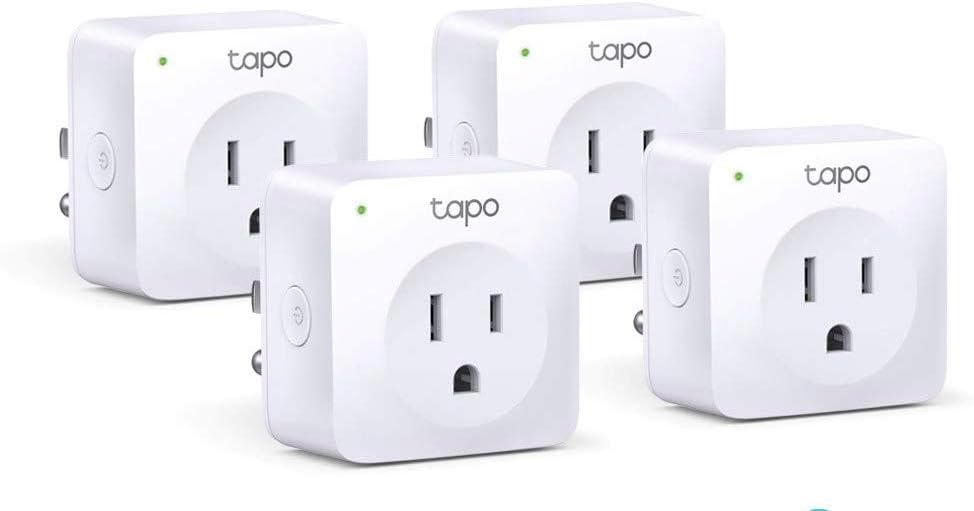
Why Use a Smart Plug for Your Sound System Anyway?
You might be thinking, “It’s just a power plug, what’s the big deal?” That’s a fair question. The magic isn’t in the plug itself, but in the intelligence it brings to your otherwise “dumb” (but brilliant-sounding) audio equipment. A smart plug acts as a gatekeeper between your power outlet and your gear, giving you remote control and automation capabilities you never had before.
Think of it this way: your amplifier is the heart of your system, but the smart plug is the brain’s command center.
- Ultimate Convenience: No more contorting yourself to reach power buttons. Power up your entire system from the couch before you even pick a song.
- Voice-Activated Audio: The real showstopper. Walking in and saying, “Hey Google, turn on the stereo,” is a game-changer. It makes your high-tech gear feel truly futuristic.
- Energy Savings: Many audio components, especially older ones, are notorious for “vampire power” draw, consuming energy even in standby mode. A smart plug cuts power completely, saving you money on your electricity bill over time.
- Protect Your Investment: Some advanced smart plugs come with built-in surge protection, adding an extra layer of defense for your expensive and sensitive audio equipment against unexpected power spikes.
Key Features to Look for in a Smart Plug for Sound Systems
Not all smart plugs are created equal, especially when you’re entrusting them with your precious audio gear. Power-hungry amplifiers and receivers have specific needs. Here’s what you absolutely must consider.
Power Rating and Amperage
This is non-negotiable. An audio receiver or a powerful amplifier can draw a significant amount of current, especially upon startup. Using an underpowered smart plug is a recipe for disaster.
- Look for: A plug rated for at least 15 amps (A). Most standard home outlets in the US are on 15A circuits, so this ensures the plug can handle the load without overheating or failing. For high-end, power-hungry systems, a 20A plug is even better if your home wiring supports it.
Surge Protection
A power surge can fry the delicate internal components of your sound system in a millisecond. While a dedicated power conditioner is the gold standard for audiophiles, a smart plug with built-in surge protection offers a great first line of defense.
“We often see clients overlook basic power management for their expensive home theaters. A smart plug with integrated surge protection is one of the easiest and most cost-effective upgrades you can make to safeguard your investment.” – David Chen, Professional Smart Home Integrator
Energy Monitoring
Curious how much power your vintage Marantz receiver is actually using? An energy monitoring feature lets you see real-time and historical power consumption through the companion app. It’s a great tool for understanding your usage and identifying energy-hungry components.
Compact Form Factor
Space behind an audio rack or media console is often at a premium. A bulky smart plug can block adjacent outlets on your power strip. Look for a slim or offset design that plays nicely with other plugs.
|
Our Picks for the Best Smart Plug in 2026
As an Amazon Associate, we earn from qualifying purchases.
|
||
| Num | Product | Action |
|---|---|---|
| 1 | Kasa Smart Plug Mini 15A, Smart Home Wi-Fi Outlet Works with Alexa, Google Home & IFTTT, No Hub Required, UL Certified, 2.4G WiFi Only, 4-Pack(EP10P4) , White |

|
| 2 | Amazon Basics Smart Plug, Works with Alexa Only, 2.4 GHz Wi-Fi, No Hub Required, 4-Pack, White |
|
| 3 | Amazon Basics Smart Plug, Works with Alexa Only, 2.4 GHz Wi-Fi, No Hub Required, 2 Pack, White |
|
| 4 | Kasa Smart Plug HS103P4, Smart Home Wi-Fi Outlet Works with Alexa, Echo, Google Home & IFTTT, No Hub Required, Remote Control, 15 Amp, UL Certified, 4-Pack, White |
|
| 5 | Kasa Smart Plug HS103P2, Smart Home Wi-Fi Outlet Works with Alexa, Echo, Google Home & IFTTT, No Hub Required, Remote Control,15 Amp,UL Certified, (Pack of 2) White |
|
| 6 | Kasa Smart Plug Mini 15A, Apple HomeKit Supported, Smart Outlet Works with Siri, Alexa & Google Home, UL Certified, App Control, Scheduling, Timer, 2.4G WiFi Only, 4 Count (Pack of 1) (EP25P4), White |
|
| 7 | Govee Smart Plug, WiFi Plugs Work with Alexa & Google Assistant, Smart Outlet with Timer & Group Controller, WiFi Outlet for Home, No Hub Required, ETL & FCC Certified, 2.4G WiFi Only, 4 Pack |
|
| 8 | TP-Link Tapo Matter Supported Smart Plug Mini, Compact Design, 15A/1800W Max, Super Easy Setup, Works with Apple Home, Alexa & Google Home, UL Certified, 2.4G Wi-Fi Only, White, Tapo P125M(3-Pack) |
|
| 9 | Govee Smart Plug, WiFi Plugs Work with Alexa & Google Assistant, Smart Outlet with Timer & Group Controller, WiFi Outlet for Home, No Hub Required, ETL & FCC Certified, 2.4G WiFi Only, 2 Pack |
|
| 10 | Kasa Smart Plug Ultra Mini 15A, Smart Home Wi-Fi Outlet Works with Alexa, Google Home & IFTTT, No Hub Required, UL Certified, 2.4G WiFi Only, 2 Count (Pack of 1)(EP10P2) , White |
|
How Do You Set Up a Smart Plug with Your Stereo?
Setting up a smart plug for sound systems is incredibly simple and usually takes less than five minutes. It’s designed to be a plug-and-play experience for everyone, not just tech wizards.
Here is a typical step-by-step guide:
- Download the App: First, find the manufacturer’s app on the Apple App Store or Google Play Store. Brands like Kasa (TP-Link), Wyze, or Meross have user-friendly apps.
- Create an Account: You’ll need to create a quick account to manage your devices.
- Plug It In: Plug the smart plug into the wall outlet or a high-quality power strip that your sound system uses. A small light on the plug will usually start blinking, indicating it’s in pairing mode.
- Connect to Wi-Fi: Open the app and follow the on-screen instructions to add a new device. You’ll select the smart plug from a list and connect it to your home’s 2.4GHz Wi-Fi network. Note: Most smart plugs do not work on 5GHz networks, so make sure your phone is connected to the 2.4GHz band during setup.
- Name Your Plug: Give it an intuitive name like “Stereo,” “Living Room Amp,” or “Turntable.” This is what you’ll use for voice commands, so keep it simple and easy to say.
- Plug in Your Gear: Now, plug your amplifier or receiver’s power cord into the smart plug. Important: If you have a power sequencer or conditioner, plug that into the smart plug, and then your components into the conditioner.
- Test It Out: Use the app to turn the plug on and off. You should hear the satisfying click of your amplifier powering up. Success!
Integrating with Your Smart Home Ecosystem
This is where the real fun begins. Connecting your smart plug to a voice assistant like Amazon Alexa, Google Assistant, or Apple HomeKit unlocks the full potential of your newly smartened sound system.
Connecting to Alexa or Google Assistant
The process is very similar for both platforms and is usually done within the Alexa or Google Home app.
- Go to the “Skills & Games” (Alexa) or “Works with Google” (Google Home) section.
- Search for the brand of your smart plug (e.g., Kasa, Wyze).
- Enable the skill and link your accounts.
- Your voice assistant will then discover the devices you set up.
Once linked, you can say things like:
- “Alexa, turn on the sound system.”
- “Hey Google, power up the amplifier.”
Creating Routines and Scenes
The true power move is creating routines. This allows you to control multiple smart devices with a single command.
- “Movie Night” Routine: A single command like, “Alexa, it’s movie night,” could dim your smart lights, lower your smart blinds, and—you guessed it—turn on your smart plug for sound systems, powering up your home theater receiver.
- “Morning Jazz” Routine: A scheduled routine could automatically turn on your amplifier at 7 AM every weekday and start playing a curated jazz playlist on your connected smart speaker.
- “Goodbye” Routine: As you leave the house, a “Goodbye” command can ensure your entire power-hungry audio setup is completely off, saving energy.
Frequently Asked Questions (FAQ)
Q: Will a smart plug affect the sound quality of my Hi-Fi system?
A: For the vast majority of users, a high-quality, properly rated smart plug will have no discernible impact on sound quality. It essentially acts as a pass-through switch. Purist audiophiles might prefer dedicated power conditioners, but for convenience and smart control, a good smart plug is perfectly safe and effective.
Q: Can I plug my entire power strip into one smart plug?
A: Yes, provided the total power draw of all devices on the strip does not exceed the smart plug’s maximum rating (typically 15A/1800W). It’s a great way to control your entire system—amp, DAC, turntable, etc.—with one command. Just be sure to check the power specs of your components.
Q: What about amplifiers that have a “soft start” or standby mode?
A: Using a smart plug effectively performs a “hard” power cut. This is perfectly fine for most modern electronics. However, if you have vintage or specific high-end gear that requires a standby mode to keep circuits warm, you may want to consult the manufacturer’s manual before using a smart plug to cut its power completely.
Q: Is a smart plug for sound systems secure?
A: Reputable brands use encryption and follow security best practices. To maximize security, always use a strong, unique password for the device’s app and keep its firmware updated. Stick to well-known brands like TP-Link Kasa, Meross, Wyze, and Belkin Wemo.
Q: Do I need a smart home hub for these plugs to work?
A: Not anymore! The vast majority of modern smart plugs are Wi-Fi based and connect directly to your router. You don’t need a separate, expensive hub like a Philips Hue Bridge or Samsung SmartThings hub just to get started.
The Final Note: A Smarter Symphony Awaits
Bringing smart control to your audio setup is no longer a complicated or expensive endeavor. A simple smart plug for sound systems is the bridge between the timeless quality of your audio gear and the modern convenience of a connected home. It empowers you to enjoy your music and movies more effortlessly, save a little energy, and add a touch of futuristic magic to your daily routine. So go ahead, plug in, and let your sound system play on your command.