Ever found yourself dashing outside in the rain to turn on the patio lights? Or maybe you’re the designated holiday decorator, wrestling with frozen extension cords in the dark just to unplug the glowing reindeer. We’ve all been there. But what if you could control all your outdoor electronics from the comfort of your couch? That’s where learning How To Use Outdoor Smart Plug Properly comes in, transforming your yard from a manual chore into an automated oasis. It’s simpler than you think, and trust me, once you experience it, you’ll wonder how you ever lived without it.
What’s the Big Deal with an Outdoor Smart Plug Anyway?
Before we dive into the nitty-gritty, let’s clear something up. You can’t just take an indoor smart plug and stick it outside. That’s a recipe for disaster. Outdoor smart plugs are a different breed, built specifically to brave the elements.
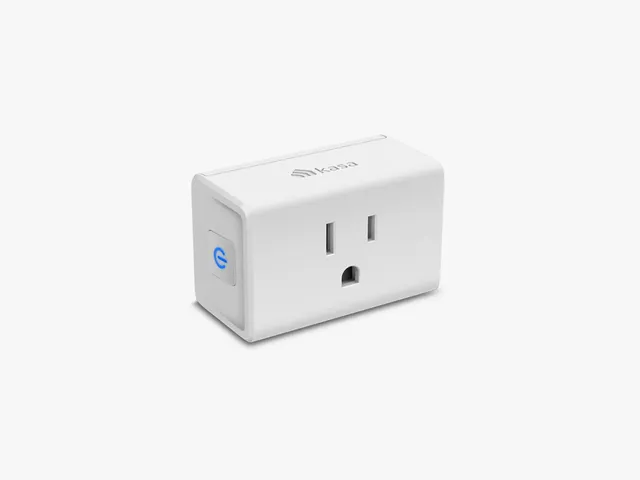
An outdoor smart plug is a device specifically engineered to withstand outdoor conditions like rain, snow, dust, and temperature fluctuations while allowing you to remotely control whatever is plugged into it. They are your key to a truly smart and automated outdoor space.
Key Features That Set Them Apart
- Weather Resistance (IP Rating): This is the most crucial feature. You’ll see a code like “IP44” or “IP65.” The first number rates its protection against solids (like dust), and the second rates its protection against liquids (like rain). A higher number means better protection. For most home use, IP44 is a great starting point, as it protects against splashing water from any direction.
- Durable Casing: They are made from tough, UV-resistant plastic that won’t crack or fade after a season in the sun.
- Heavy-Duty Cords: The cords are typically thicker and more robust to handle the wear and tear of being outdoors.
- Higher Power Rating: Outdoor devices like pool pumps or powerful string lights draw more electricity. Outdoor smart plugs are built to handle this higher load, typically up to 15 amps.
As smart home expert Dr. Alistair Finch notes, “The biggest mistake consumers make is underestimating the harshness of an outdoor environment on electronics. A proper outdoor-rated smart plug isn’t a luxury; it’s a fundamental safety requirement for any automated yard.”
Your Step-by-Step Installation Guide
Alright, let’s get you set up. I promise this is easier than assembling that flat-pack furniture you’ve been putting off. Learning how to use outdoor smart plug properly starts with a solid installation.
- Placement is Everything: Find an outdoor GFCI (Ground Fault Circuit Interrupter) outlet. This is the kind of outlet you see in bathrooms and kitchens with the little “Test” and “Reset” buttons. It’s a critical safety feature that protects against electric shock, especially in damp areas. Mount the plug so that it hangs downwards, with the outlets facing the ground. This prevents water from pooling in the sockets.
- Check Your Wi-Fi Signal: Before you do anything else, take your smartphone to the outlet where you plan to install the plug. Do you have at least two bars of Wi-Fi? A weak signal is the number one cause of smart plug frustration. If the signal is poor, you might need a Wi-Fi range extender.
- Download the App: Every smart plug brand has its own app (e.g., Kasa Smart, TP-Link, Wemo). Go to your phone’s app store, search for the brand name, and download it. Create an account if required.
- Pairing the Plug: Plug the outdoor smart plug into the outlet. Most plugs have a button you’ll need to press and hold for a few seconds until an indicator light starts flashing. This puts it in pairing mode.
- Connect in the App: Open the app and follow the on-screen instructions, which usually involve selecting “Add a new device” and choosing your model. You’ll then connect to your home Wi-Fi network (make sure it’s the 2.4GHz band, as most smart devices don’t work with 5GHz) and give your plug a name. Be descriptive! “Patio String Lights” is much better than “Outdoor Plug 1.”
- Plug In and Test: Now for the fun part. Plug your lights, fountain, or inflatable Santa into the smart plug. Use the app to turn it on and off manually. Did it work? Congratulations, you’re officially a smart home wizard!
Creative and Clever Ways to Use Your Outdoor Smart Plug
Now that you’ve mastered the setup, where the real magic happens is in the automation. This isn’t just about turning things on and off from your phone. It’s about making your life easier.
- Holiday & Festive Lighting: This is the classic use case. Set your Christmas lights, Halloween decorations, or Fourth of July string lights on a schedule. Have them turn on automatically at sunset and off at midnight. No more forgetting!
- Landscape and Patio Ambiance: Automate your beautiful garden string lights to create the perfect evening atmosphere. Schedule them to come on just before you get home from work.
- Garden and Irrigation: Connect a small water pump for a garden fountain or a simple irrigation system. Set it to run for 30 minutes every morning.
- Pool and Spa Equipment: Control your pool filter pump with a schedule to save energy. Crucially, you must ensure your smart plug’s amperage rating exceeds the pump’s requirement. This is a job for a heavy-duty model.
- Engine Block Heaters: For those of us in colder climates, this is a game-changer. Instead of leaving your car’s block heater on all night, schedule your smart plug to turn it on two hours before you leave for work.
Thinking about upgrading? We’ve reviewed the best models on the market.
|
Our Picks for the Best Smart Plug in 2026
As an Amazon Associate, we earn from qualifying purchases.
|
||
| Num | Product | Action |
|---|---|---|
| 1 | Kasa Smart Plug Mini 15A, Apple HomeKit Supported, Smart Outlet Works with Siri, Alexa & Google Home, UL Certified, App Control, Scheduling, Timer, 2.4G WiFi Only, 4 Count (Pack of 1) (EP25P4), White |

|
| 2 | Kasa Smart Plug HS103P2, Smart Home Wi-Fi Outlet Works with Alexa, Echo, Google Home & IFTTT, No Hub Required, Remote Control,15 Amp,UL Certified, (Pack of 2) White |
|
| 3 | Kasa Smart Plug Ultra Mini 15A, Smart Home Wi-Fi Outlet Works with Alexa, Google Home & IFTTT, No Hub Required, UL Certified, 2.4G WiFi Only, 2 Count (Pack of 1)(EP10P2) , White |
|
| 4 | Kasa Smart Plug Mini 15A, Smart Home Wi-Fi Outlet Works with Alexa, Google Home & IFTTT, No Hub Required, UL Certified, 2.4G WiFi Only, 4-Pack(EP10P4) , White |
|
| 5 | Amazon Basics Smart Plug, Works with Alexa Only, 2.4 GHz Wi-Fi, No Hub Required, 2 Pack, White |
|
| 6 | TP-Link Tapo Matter Supported Smart Plug Mini, Compact Design, 15A/1800W Max, Super Easy Setup, Works with Apple Home, Alexa & Google Home, UL Certified, 2.4G Wi-Fi Only, White, Tapo P125M(3-Pack) |
|
| 7 | Govee Smart Plug, WiFi Plugs Work with Alexa & Google Assistant, Smart Outlet with Timer & Group Controller, WiFi Outlet for Home, No Hub Required, ETL & FCC Certified, 2.4G WiFi Only, 2 Pack |
|
| 8 | Amazon Basics Smart Plug, Works with Alexa Only, 2.4 GHz Wi-Fi, No Hub Required, 4-Pack, White |
|
| 9 | Kasa Smart Plug HS103P4, Smart Home Wi-Fi Outlet Works with Alexa, Echo, Google Home & IFTTT, No Hub Required, Remote Control, 15 Amp, UL Certified, 4-Pack, White |
|
| 10 | Govee Smart Plug, WiFi Plugs Work with Alexa & Google Assistant, Smart Outlet with Timer & Group Controller, WiFi Outlet for Home, No Hub Required, ETL & FCC Certified, 2.4G WiFi Only, 4 Pack |
|
How Do I Integrate It with My Smart Home?
This is where you level up. Connecting your outdoor smart plug to a voice assistant like Amazon Alexa, Google Assistant, or Apple HomeKit unleashes its full potential.
The process is generally the same for all platforms. You’ll go into your Alexa or Google Home app, navigate to the “Devices” section, and look for an option to “Add Device” or “Link a Service.” You’ll search for the brand of your smart plug (like Kasa or Wemo), log in with the account you created earlier, and authorize the connection.
Once linked, you can use voice commands like:
- “Alexa, turn on the patio lights.”
- “Hey Google, turn off the Christmas decorations.”
- “Siri, is the pool pump running?”
You can also incorporate your outdoor plug into Routines. For example, create a “Good Night” routine in your Alexa app that turns off all your indoor lights, locks the smart lock, and also turns off the landscape lighting. That’s true, seamless automation.
Frequently Asked Questions (FAQ)
Q: Can I leave an outdoor smart plug outside in the rain and snow?
A: Yes, absolutely, provided it has an appropriate IP rating (like IP44 or higher). They are designed for this. However, for extreme weather, it’s always best to place it in a location that offers some minimal shelter and ensure it’s hanging with the outlets facing down.
Q: Does an outdoor smart plug use a lot of electricity when it’s idle?
A: No. The standby power consumption of a modern smart plug is incredibly low, usually less than 1 watt. The cost is negligible, amounting to just a few cents per month.
Q: How many devices can I plug into one outdoor smart plug?
A: Most outdoor models come with two individually controllable outlets. The most important thing to check is the total amperage. Never exceed the plug’s maximum load rating (usually 15A). Add up the power draw of the devices you want to connect to be safe.
Q: What happens if the internet goes down?
A: If your Wi-Fi goes out, you won’t be able to control the plug remotely via the app or voice commands. However, any schedules or timers that were already programmed and stored locally on the device will usually continue to function as normal.
Q: Do I need a special smart home hub to use one?
A: For most popular models, no. The vast majority of outdoor smart plugs are Wi-Fi-based and connect directly to your router without needing a separate hub like Zigbee or Z-Wave. This makes them a fantastic entry point into the smart home world.
Your Smarter Yard Awaits
Getting started with an outdoor smart plug is one of the easiest and most rewarding smart home upgrades you can make. It offers an incredible blend of convenience, security (making it look like someone’s home by scheduling lights), and even energy savings. By following these steps on how to use outdoor smart plug properly, you’re not just plugging in a device; you’re unlocking a new level of control and automation over your home’s outdoor spaces. Go ahead, give it a try—your future self, warm and cozy on the couch, will thank you.