Let’s be honest, we all want to do our part for the planet, but sometimes it feels like a monumental task. The good news? You don’t need to install a full set of solar panels tomorrow to make a difference. An amazing first step towards an Eco Friendly Lifestyle With Smart Plugs is hiding in plain sight, right in your wall outlets. These small, unassuming gadgets are powerhouses of efficiency, capable of transforming your regular home into a smarter, greener, and more cost-effective space. Ready to unplug from high energy bills and plug into a more sustainable future? Let’s dive in.
What Exactly Is a Smart Plug and How Does It Work?
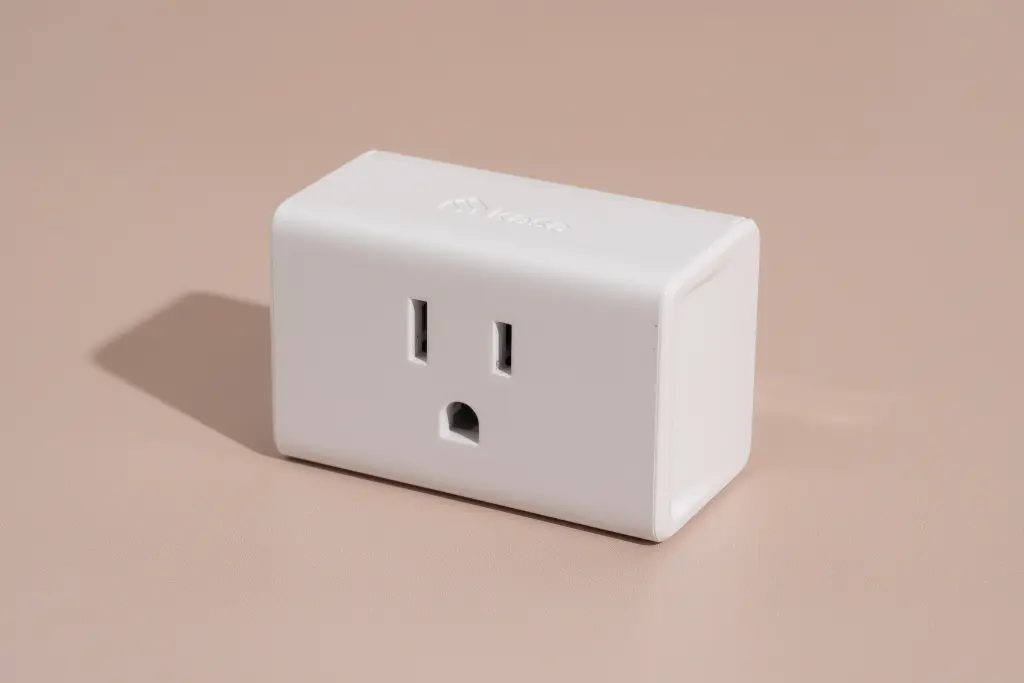
Think of a smart plug as a clever adapter that sits between your wall outlet and any appliance you plug into it—a lamp, a coffee maker, a fan, you name it. Its magic lies in its ability to connect to your home’s Wi-Fi network. This connection allows you to control the power to that appliance remotely using a smartphone app, or even with just your voice through assistants like Amazon Alexa or Google Assistant.
The setup is usually a breeze. You plug it in, download the companion app, connect the plug to your Wi-Fi, and you’re good to go. It essentially gives your “dumb” appliances a brain, allowing them to join the 21st-century smart home party.
Key Features That Are a Real Game-Changer
Smart plugs are more than just remote on/off switches. Their real power for an eco friendly lifestyle comes from a suite of clever features:
- Scheduling and Timers: Automatically turn devices on and off at specific times. Want the coffee pot to turn off 30 minutes after you leave for work? Done. Need the living room lamp to turn on at sunset? Easy.
- Energy Monitoring: This is the killer feature for a green home. Many models, like those we recommend at Smart Plug Top, show you exactly how much electricity an appliance is using in real-time and over time. Knowledge is power—literally.
- Voice Control: The ultimate in convenience. Simply saying, “Hey Google, turn off the bedroom fan,” is not only cool, but it also makes it effortless to cut power when you’re not using something.
- Away Mode: This feature randomly turns lights on and off to simulate someone being home, which is great for security and gives you peace of mind without leaving lights on 24/7.
Your Step-by-Step Guide to a Smarter Setup
Getting started is genuinely as easy as 1-2-3. I’ll never forget the first time I set up a smart plug for my notoriously power-hungry entertainment center. I thought it would be a techy headache, but it took less than five minutes.
- Plug It In: Take your new smart plug and plug it into the wall outlet you want to use. Then, plug your appliance (e.g., a floor lamp) into the smart plug.
- Download the App: Every smart plug brand has its own app. Just scan the QR code in the manual or search for it in your phone’s app store.
- Connect to Wi-Fi: Open the app and follow the on-screen instructions. This usually involves creating an account and selecting your home Wi-Fi network (most plugs use the 2.4GHz band, so make sure you’re connecting to that one).
- Name Your Device: Give your plug a logical name like “Living Room Lamp” or “Office Fan.” This makes it much easier to control, especially with voice commands.
- Start Automating: Dive into the app’s settings to set schedules, timers, and explore other features. You’re now in control!
The Real Deal: Building an Eco Friendly Lifestyle with Smart Plugs
This is where the magic truly happens. A smart plug isn’t just a gadget; it’s a tool for conscious energy consumption. The biggest culprit in most homes is “vampire power” or “phantom load”—the energy that electronics draw even when they’re turned off or in standby mode. Your TV, game console, microwave, and computer chargers are all sipping electricity 24/7.
As Dr. Evelyn Reed, a leading voice in IoT and sustainable tech, often says, “The biggest impact of smart home technology won’t be the flashy automations, but the quiet, cumulative effect of millions of households eliminating gigawatts of wasted standby power. Smart plugs are the foot soldiers in that silent revolution.”
By connecting these devices to a smart plug, you can create a schedule to cut their power completely overnight or while you’re at work. It’s a set-it-and-forget-it solution to slay those energy vampires for good.
How Much Energy (and Money) Can You Actually Save?
The amount you save depends on your appliances and usage, but the results can be surprising. Standby power can account for up to 10% of your household’s electricity bill. By strategically using smart plugs on your biggest energy hogs, you could save a tangible amount each year, all while shrinking your carbon footprint. Using a plug with energy monitoring lets you identify which devices are the worst offenders so you can target them first.
|
Our Picks for the Best Smart Plug in 2026
As an Amazon Associate, we earn from qualifying purchases.
|
||
| Num | Product | Action |
|---|---|---|
| 1 | Kasa Smart Plug Mini 15A, Apple HomeKit Supported, Smart Outlet Works with Siri, Alexa & Google Home, UL Certified, App Control, Scheduling, Timer, 2.4G WiFi Only, 4 Count (Pack of 1) (EP25P4), White |

|
| 2 | Amazon Basics Smart Plug, Works with Alexa Only, 2.4 GHz Wi-Fi, No Hub Required, 4-Pack, White |
|
| 3 | TP-Link Tapo Matter Supported Smart Plug Mini, Compact Design, 15A/1800W Max, Super Easy Setup, Works with Apple Home, Alexa & Google Home, UL Certified, 2.4G Wi-Fi Only, White, Tapo P125M(3-Pack) |
|
| 4 | Kasa Smart Plug HS103P4, Smart Home Wi-Fi Outlet Works with Alexa, Echo, Google Home & IFTTT, No Hub Required, Remote Control, 15 Amp, UL Certified, 4-Pack, White |
|
| 5 | Amazon Basics Smart Plug, Works with Alexa Only, 2.4 GHz Wi-Fi, No Hub Required, 2 Pack, White |
|
| 6 | Govee Smart Plug, WiFi Plugs Work with Alexa & Google Assistant, Smart Outlet with Timer & Group Controller, WiFi Outlet for Home, No Hub Required, ETL & FCC Certified, 2.4G WiFi Only, 4 Pack |
|
| 7 | Kasa Smart Plug Mini 15A, Smart Home Wi-Fi Outlet Works with Alexa, Google Home & IFTTT, No Hub Required, UL Certified, 2.4G WiFi Only, 4-Pack(EP10P4) , White |
|
| 8 | Govee Smart Plug, WiFi Plugs Work with Alexa & Google Assistant, Smart Outlet with Timer & Group Controller, WiFi Outlet for Home, No Hub Required, ETL & FCC Certified, 2.4G WiFi Only, 2 Pack |
|
| 9 | Kasa Smart Plug HS103P2, Smart Home Wi-Fi Outlet Works with Alexa, Echo, Google Home & IFTTT, No Hub Required, Remote Control,15 Amp,UL Certified, (Pack of 2) White |
|
| 10 | Kasa Smart Plug Ultra Mini 15A, Smart Home Wi-Fi Outlet Works with Alexa, Google Home & IFTTT, No Hub Required, UL Certified, 2.4G WiFi Only, 2 Count (Pack of 1)(EP10P2) , White |
|
Creating a Seamless Smart Home Ecosystem
A huge benefit of modern smart plugs is their ability to play nicely with others. Most top brands integrate seamlessly with the big three smart home platforms:
- Amazon Alexa: Once linked, you can control your plugs with any Echo device and include them in “Routines.” For example, a “Good Night” routine could turn off all your smart-plug-connected lights and electronics with a single command.
- Google Assistant: Similar to Alexa, you can use your voice via a Google Home or Nest speaker. You can also create powerful automations within the Google Home app.
- Apple HomeKit: For those in the Apple ecosystem, look for “Works with Apple HomeKit” compatibility. This allows you to control plugs through the Home app on your iPhone, iPad, or Mac and use Siri for voice commands.
To ensure future-proof compatibility, keep an eye out for devices that support Matter. This is a new, universal smart home standard designed to make devices from different companies work together flawlessly.
Choosing the Right Smart Plug: A Quick Checklist
Feeling ready to make a purchase? Here’s what to look for to ensure you get the perfect plug for your needs.
- [ ] Compatibility: Does it work with your preferred voice assistant (Alexa, Google, Siri)?
- [ ] Energy Monitoring: Do you want to track power consumption? If so, make sure this feature is included.
- [ ] Size and Shape: Will the plug block the second outlet? Look for compact or offset designs if outlet space is tight.
- [ ] Connectivity: Most use Wi-Fi. If you have a more advanced setup, you might look into Zigbee or Z-Wave models, but for most people, Wi-Fi is perfect.
- [ ] Safety Certifications: Ensure the plug is certified by a reputable body like UL or ETL. This is crucial for electrical safety. In the UK, look for the CE/UKCA marking.
- [ ] Plug Type: Make sure you’re buying the correct type for your region (e.g., Type B for the US, Type G for the UK).
Frequently Asked Questions (FAQ)
Q: Do smart plugs use a lot of electricity themselves?
A: No, a smart plug’s own consumption is incredibly low. They typically use about 1 watt or less in standby mode. The energy they save by turning off larger appliances far outweighs their own minimal power draw, making them highly efficient.
Q: Can a smart plug damage my expensive electronics?
A: A high-quality, certified smart plug is perfectly safe and will not damage your electronics. It functions just like a regular outlet, simply adding a layer of remote control. Always buy from reputable brands that have safety certifications like UL or ETL.
Q: Do I need a special smart home hub to use a smart plug?
A: For most smart plugs, you do not. The vast majority of popular models today are Wi-Fi enabled and connect directly to your home router without needing a separate hub. Hubs are typically only required for devices that use protocols like Zigbee or Z-Wave.
Q: What happens if my internet goes down? Will my smart plug still work?
A: If your internet is down, you won’t be able to control the plug remotely from your phone or with voice commands. However, any schedules or timers saved directly onto the plug itself will usually continue to function as programmed. You can also always turn it on or off manually using the physical button on the device.
Q: Can I use a smart plug for a large appliance like a refrigerator?
A: You must check the smart plug’s maximum power rating (measured in watts and amps). Standard plugs are fine for lamps, fans, and small electronics. For heavy-duty appliances like space heaters or air conditioners, you need a specific heavy-duty smart plug designed to handle the higher load. Never use a standard plug for an appliance that exceeds its rating.
Your Journey Starts Now
Adopting an eco friendly lifestyle with smart plugs is one of the easiest, most affordable, and most impactful ways to begin your smart home journey. It’s about more than just convenience; it’s about taking conscious control of your energy use, one outlet at a time. By understanding your consumption and automating your savings, you’re not just cutting down your bills—you’re contributing to a more sustainable world. So go ahead, plug in, and start making a smart difference today.